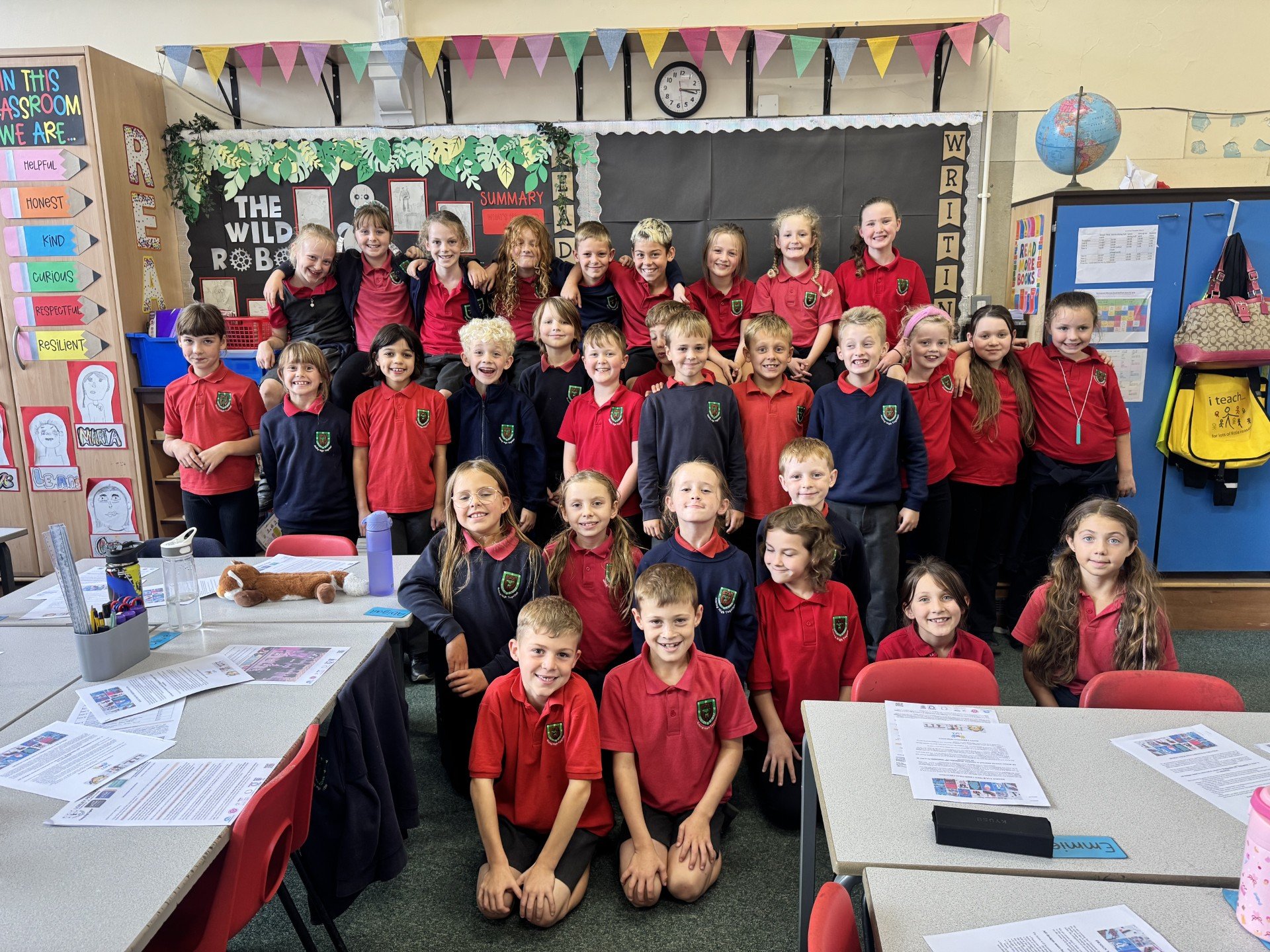
Year 4
Welcome to Y4
A person who never made a mistake, never tried something new.
Miss Newton and Mrs Thornhill
Reading books returned on Monday.
Homework and spellings on Friday
PE on Tuesday (kits in school please)

World Map
Where on Earth?
In this geography topic, we will be travelling the world, finding out about different continents and nations, as well learning how to read a map. Children in Year 4 will understand how a world map is segmented into lines of longitude and latitude. They will be able to locate the equator, the tropics, the meridian line (including time zones), and the Arctic and Antarctic Circles.
The children will also research a specific country as a case study, finding out about its geographical features, both political and physical, as well as dipping into its cultural identity.
Year 4 will learn to compare and contrast different locations and understand the reasons for these differences. This is a brilliant topic to open the year with, as it will equip each pupil with skills that they can use in the topics covered throughout the rest of the year.

Two criminals that have been placed in stocks.
Crime & Punishment
Another broad and sweeping topic, we are going to be learning how the law was enforced throughout history. From the first juries and courts of the Roman Empire, to the highwaymen of 18th century Britain, the children will come to understand that, although sometimes gruesome and cruel, the past has a lot to teach us about the law that we live under today.
How have police forces evolved over the centuries? How did the Anglo-Saxon ideas of Wergild influence our modern concept of compensation? What was a Victorian prison like?
The children will continue to embed their skills - in comparison and drawing conclusions - from the previous geography topic, and in the spring this learning is consolidated with a trip to York Castle Museum, which used to be a working prison!

Tikal - a Mayan city in modern day Guatemala.
The Mayans
They were masters of astronomy and mathematics, users of a forgotten alphabet that has never been deciphered, and (most importantly) the civilisation that brought us chocolate! The Maya civilisation dominated Central America, and lasted over 3000 years.
In Year 4, we unearth some of their most fascinating discoveries, explore their territories, and compare their culture to their European contemporaries. We will also find out what you would expect to find in a Mayan city, as well as what happened when Europeans crossed the Atlantic and first set foot on Mayan soil.
The topic will be topped off with a visit to York’s Chocolate Story, to find out first-hand what the Mayan version of chocolate tasted like!
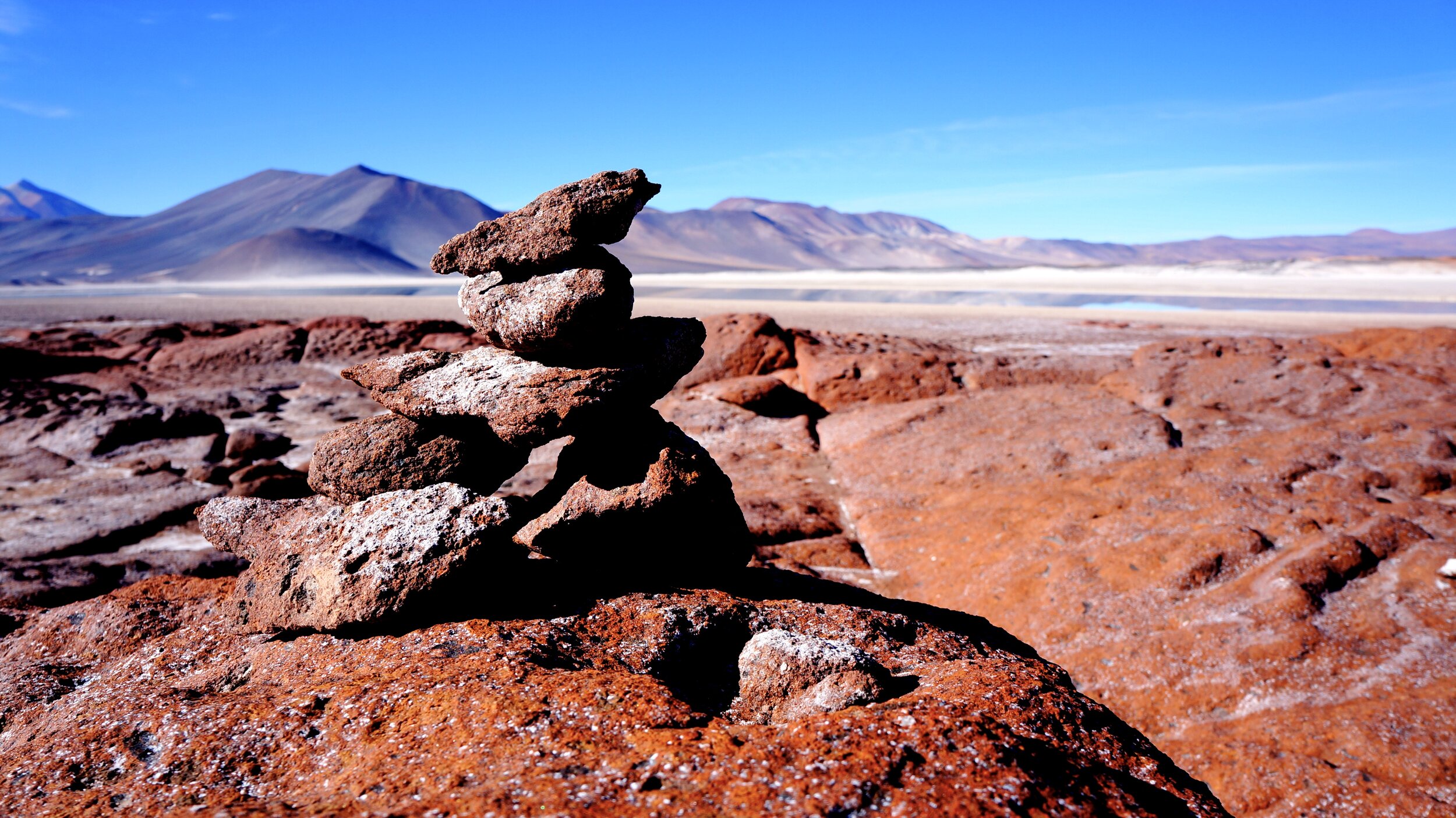
The Atacama Desert - the driest place on earth.

Dale Dyke Dam after its collapse in 1864
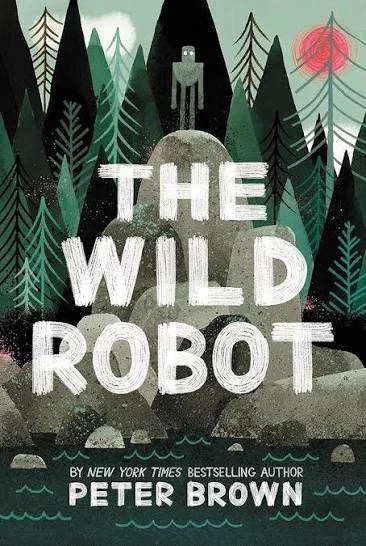
The Wild Robot
Deserts
Deserts - just a lot of sand, right? As Year 4 will find out this year, there is a LOT more to deserts than meets the eye. Are deserts always hot? Which wildlife would you find in a desert? How do humans survive and thrive in such an inhospitable environment? In which desert would you find penguins? These are some of the questions that our children will be exploring in year 4.
The Great Sheffield Flood
154 years ago, the Dale Dyke Dam burst on its first filling, claiming . Nobody is entirely sure what the cause was, but in Year 4, we look at the aftermath, the reach of the flooding, and how the tragedy changed the shape of structural engineering and dam-building to this day. We investigate case studies, learn the difference between primary and secondary sources, and understand how our local area has changed in the years since.
The Wild Robot
Learn all about what happens when a futuristic robot crashes on an island filled with nature and wildife. Will she survive and win the sceptical creatures around? You’ll love finding out!

Times Tables Check
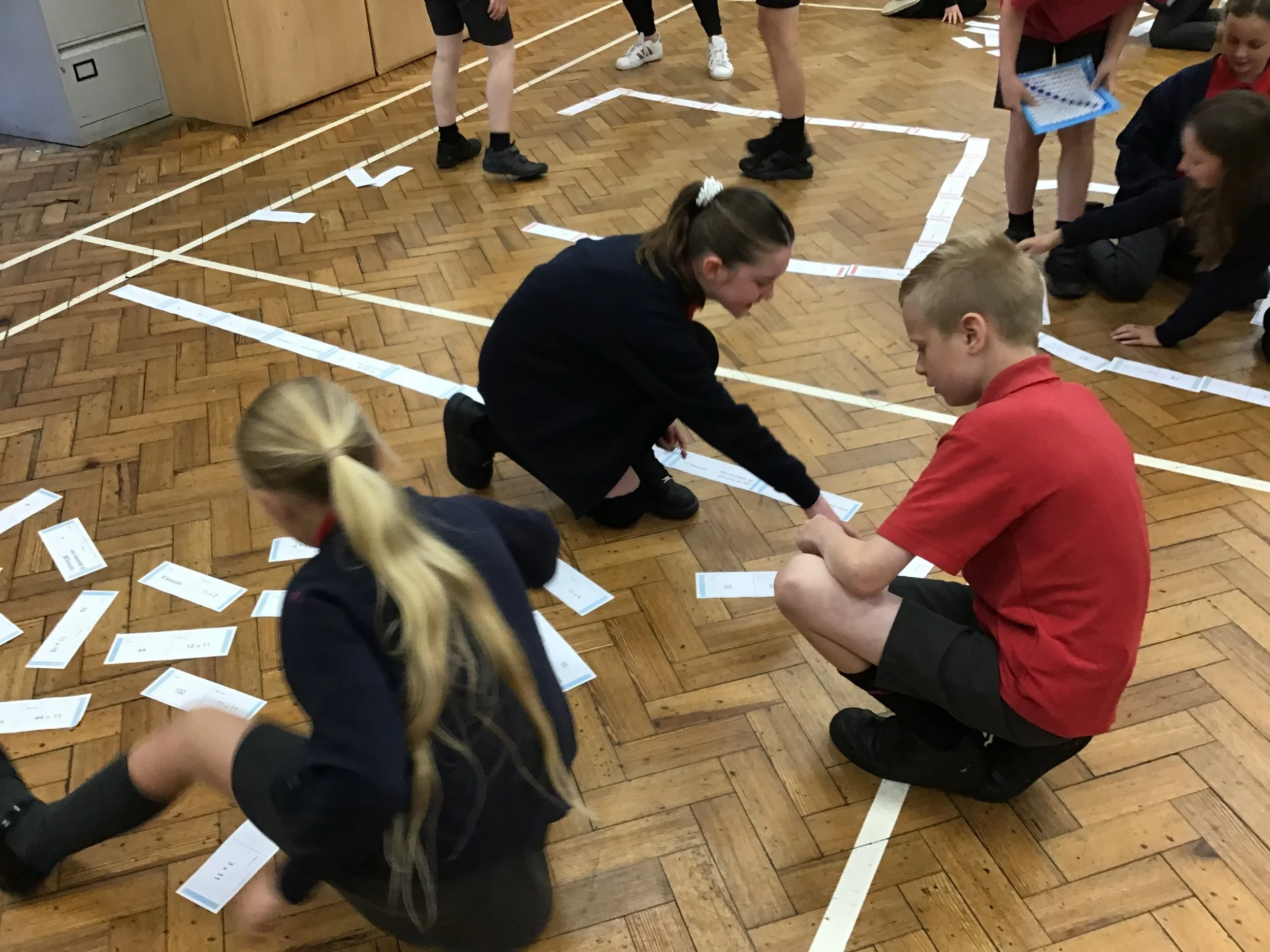
At the end of Y4, all pupils take a test to see how well they know their times table facts. This is done nationally and all children across the country take part.
Times tables are a really important part of our learning. They form the base of lots of learning that we do and knowing them will make a real difference to the rest of the maths curriculum.
You can practise in lots of differnet ways- TT rockstars is a great way as well as making flashcards and getting someone to help test you on any tricky ones. Remember each times table facts can be ‘switched’ so if you know your 2 times table, you don’t have to panic when you see 7 x 2.
https://www.gov.uk/government/publications/multiplication-tables-check-information-for-parents